หกเหลี่ยม
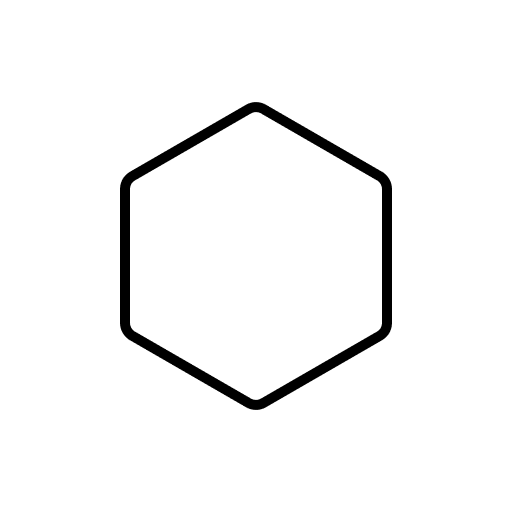
The hexagon is a natural form symbolizing harmony, efficiency, and beauty. In branding, hexagons convey inner peace, symmetry, and reciprocity. This shape is associated with honeycombs, crystalline structure, and natural organization. Hexagon creates a sense of balance, abundance, and freedom.

🧠 จิตวิทยารูปร่าง
Hexagons evoke feelings of harmony, tranquility, and natural order. They activate the Sage, Caregiver, and Ruler archetypes, creating an atmosphere of balance and efficiency. Hexagon is the most efficient shape in nature (honeycombs), symbolizes optimization, teamwork, and sweet life.
ความเชื่อมโยง
✓ เมื่อไหร่ควรใช้
• Use hexagons for ecological brands, technology companies, chemical industry, medical organizations. Effective for conveying natural efficiency, structure, and innovation. Ideal for brands wanting to emphasize harmony, symmetry, and scientific approach. Work excellently in modular design systems.
✗ หลีกเลี่ยงถ้า
• Avoid hexagons if simplicity or emotionality is needed. Shape may be perceived as too technical or scientific. Not suitable for entertainment brands, children's products, or emotional services. Hexagons may seem cold for luxury fashion brands.
💡 เคล็ดลับการออกแบบ
Use hexagons to create modular patterns (honeycombs). Combine with yellow and gold for honey and abundance associations. Hexagonal grid is ideal for technical and scientific presentations. Work excellently in design for chemistry, biology, and nanotechnology.
ตัวอย่างการใช้งาน
รังผึ้งหกเหลี่ยม
โครงสร้างหกเหลี่ยมสื่อถึงประสิทธิภาพ ความหวาน และปัญญาของธรรมชาติ
สูตรเคมี
วงเบนซีนและโมเลกุลอื่นๆ มักมีโครงสร้างหกเหลี่ยม
ระบบแบบโมดูลาร์
หกเหลี่ยมประกอบกันได้พอดี เกิดลวดลายที่ต่อเนื่องไร้รอยต่อ
ตัวอย่างแบรนด์
NBC
Six colored hexagons form peacock — symbol of color TV quality
Chase Bank
Octagonal logo shape conveys stability, but hexagons in design — harmony
Honeycomb Cereals
Hexagonal cereals directly reference honeycombs and sweetness
ในฐานข้อมูลนี้
- อาร์เคไทป์
- 3 จาก 12
- ชุดอาร์คีไทป์เดียวกัน
- 1 จาก 20
- อาร์คีไทป์ที่พบน้อยที่สุด
- ผู้ปกครอง — 5 จาก 20




อัปเดตเมื่อ: