체계적 배열
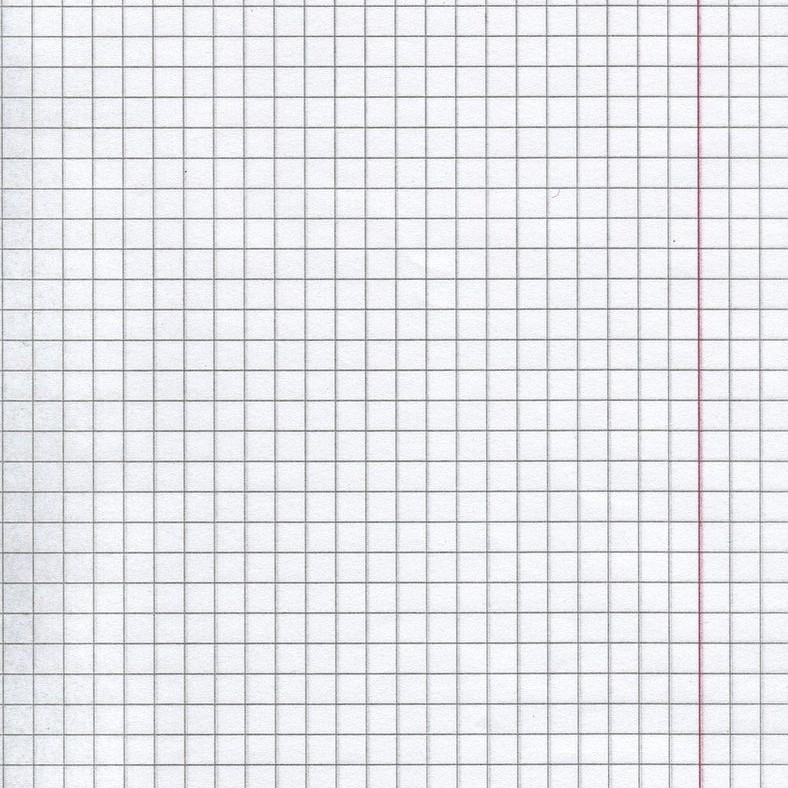
Systematic arrangement of elements is a compositional technique based on strict grid, order, and structure. In branding, systematic placement of visual elements conveys formality, control, and reliability. This composition is associated with organization, methodicalness, and predictability. Systematic arrangement creates visual stability through repeating patterns and modularity.
🧠 구성 심리학
Systematic arrangement evokes feelings of order, control, and stability. It activates the Sage, Creator, and Ruler archetypes, creating an atmosphere of professionalism and reliability. Modular composition conveys systematicness, logic, and rationality. It symbolizes order, predictability, and organized thinking.
연관성
✓ 사용 시기
Use systematic arrangement for corporate websites, financial institutions, educational
platforms, SaaS products. Effective for dashboards, catalogs, portfolios. Ideal for conveying organization,
professionalism, and structure. Works excellently in UI/UX design where predictability and clarity are important.
✗ 피해야 할 경우
Avoid systematic arrangement if creativity or emotionality is needed. Not suitable for creative
agencies, artistic brands, or entertainment industry. Rigid grid may be perceived as boring, limiting, or soulless
for brands requiring freedom of expression.
💡 디자인 팁
Use modular grid (8pt, 12-column) to create system. Apply repeating patterns for rhythm.
Vary module sizes for hierarchy. Use grid alignment for all elements. Systematic arrangement is ideal for
Material Design, Swiss style, and brutalism.
사용 예시
기업 웹사이트
엄격한 그리드는 전문성, 신뢰감, 쉬운 내비게이션을 만든다
제품 카탈로그
모듈형 상품 배치는 비교를 쉽게 하고 선택을 체계화한다
대시보드와 분석
체계적인 위젯 그리드는 데이터 명확성과 빠른 정보 파악을 보장한다
브랜드 예시
IBM
Strict modular system in design conveys reliability, order, and technology
Google Material Design
Systematic 8pt grid and modularity create predictability and scalability
IKEA
Modular arrangement of furniture and catalogs conveys organization and practicality
이 데이터베이스에서
- 아키타입
- 3 / 12
- 같은 아키타입 조합
- 1 / 6






업데이트: