体系的な配置
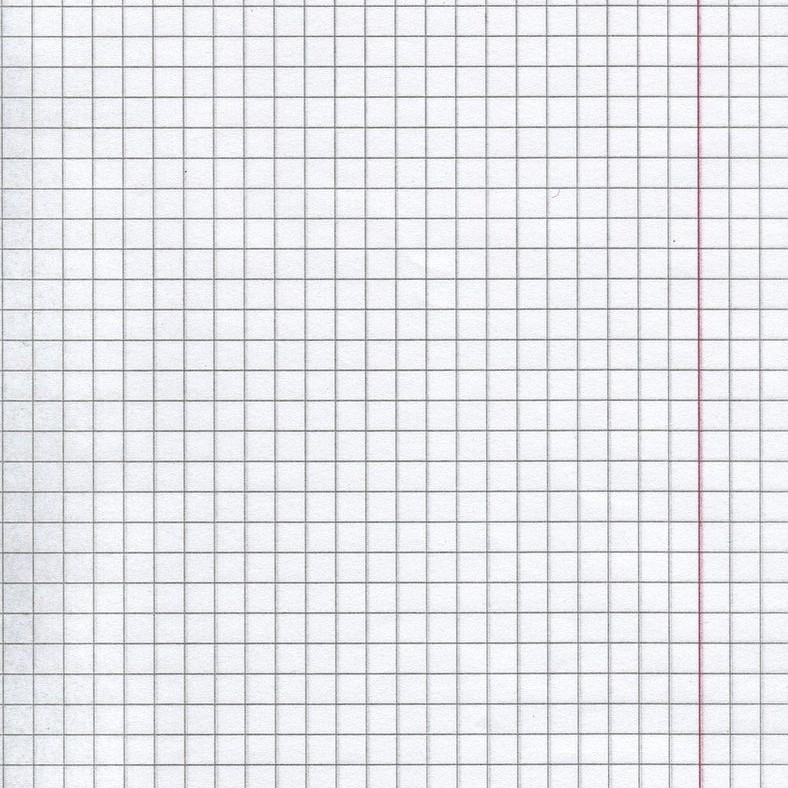
Systematic arrangement of elements is a compositional technique based on strict grid, order, and structure. In branding, systematic placement of visual elements conveys formality, control, and reliability. This composition is associated with organization, methodicalness, and predictability. Systematic arrangement creates visual stability through repeating patterns and modularity.
🧠 構図の心理学
Systematic arrangement evokes feelings of order, control, and stability. It activates the Sage, Creator, and Ruler archetypes, creating an atmosphere of professionalism and reliability. Modular composition conveys systematicness, logic, and rationality. It symbolizes order, predictability, and organized thinking.
関連付け
✓ 使用する場合
Use systematic arrangement for corporate websites, financial institutions, educational
platforms, SaaS products. Effective for dashboards, catalogs, portfolios. Ideal for conveying organization,
professionalism, and structure. Works excellently in UI/UX design where predictability and clarity are important.
✗ 避けるべき場合
Avoid systematic arrangement if creativity or emotionality is needed. Not suitable for creative
agencies, artistic brands, or entertainment industry. Rigid grid may be perceived as boring, limiting, or soulless
for brands requiring freedom of expression.
💡 デザインのコツ
Use modular grid (8pt, 12-column) to create system. Apply repeating patterns for rhythm.
Vary module sizes for hierarchy. Use grid alignment for all elements. Systematic arrangement is ideal for
Material Design, Swiss style, and brutalism.
使用例
コーポレートサイト
厳格なグリッドがプロらしさ、信頼感、迷いのない導線を生む
製品カタログ
モジュール化した商品配置は比較をしやすくし、選択を体系化する
ダッシュボードと分析
体系的なウィジェットグリッドがデータの明快さと素早い把握を保証する
ブランド例
IBM
Strict modular system in design conveys reliability, order, and technology
Google Material Design
Systematic 8pt grid and modularity create predictability and scalability
IKEA
Modular arrangement of furniture and catalogs conveys organization and practicality
このデータベースでは
- アーキタイプ
- 3 / 12
- 同じアーキタイプの組み合わせ
- 1 / 6






更新日: